
History. Art. Culture. These are some of the words we associate with museums — but what about sound? This research challenges us to consider the often overlooked auditory dimension of the museum experience. What if intentional sound design could do more than reduce noise? What if it could transform the way we perceive art?
In this episode, I investigate the relationship between our sonic environment and our visual perception, asking how sound shapes the way we experience art.
Sonic Framing – a podcast:
The Art
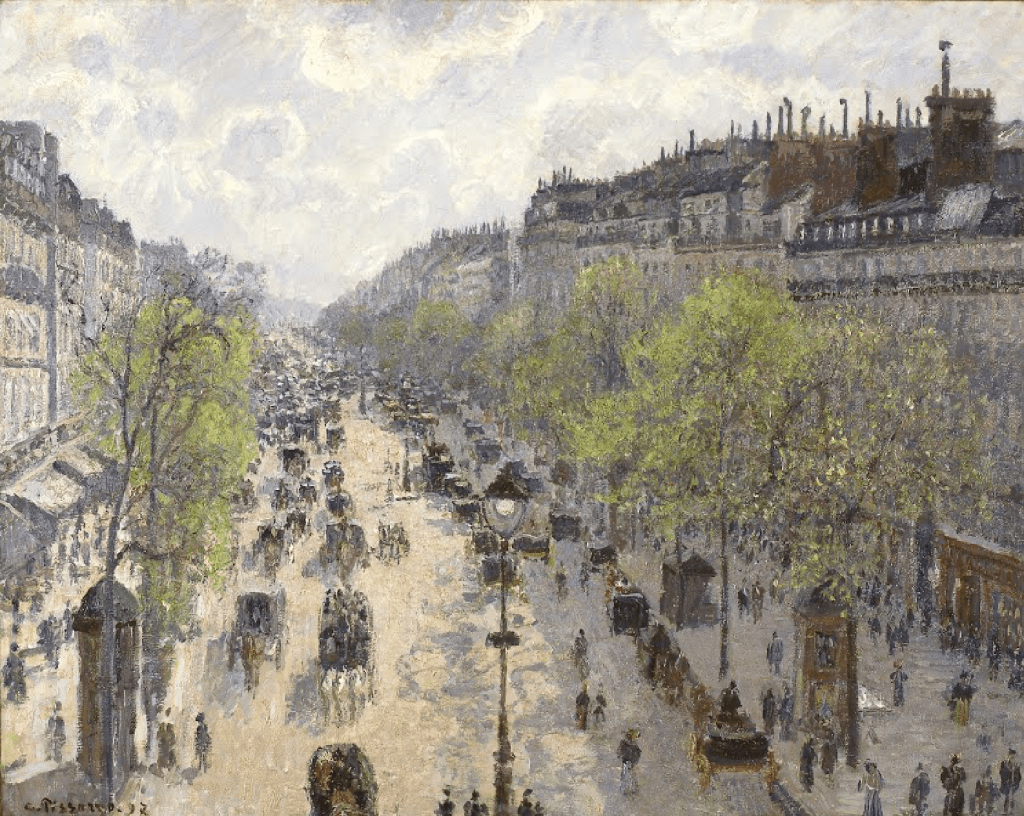
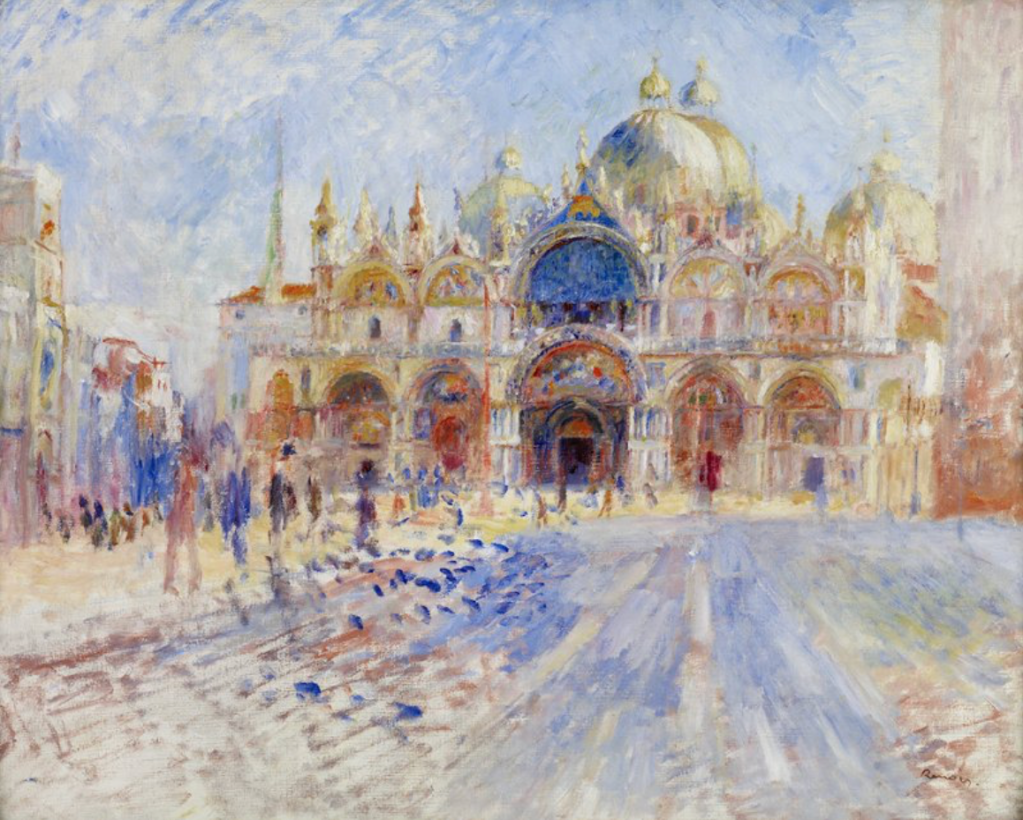
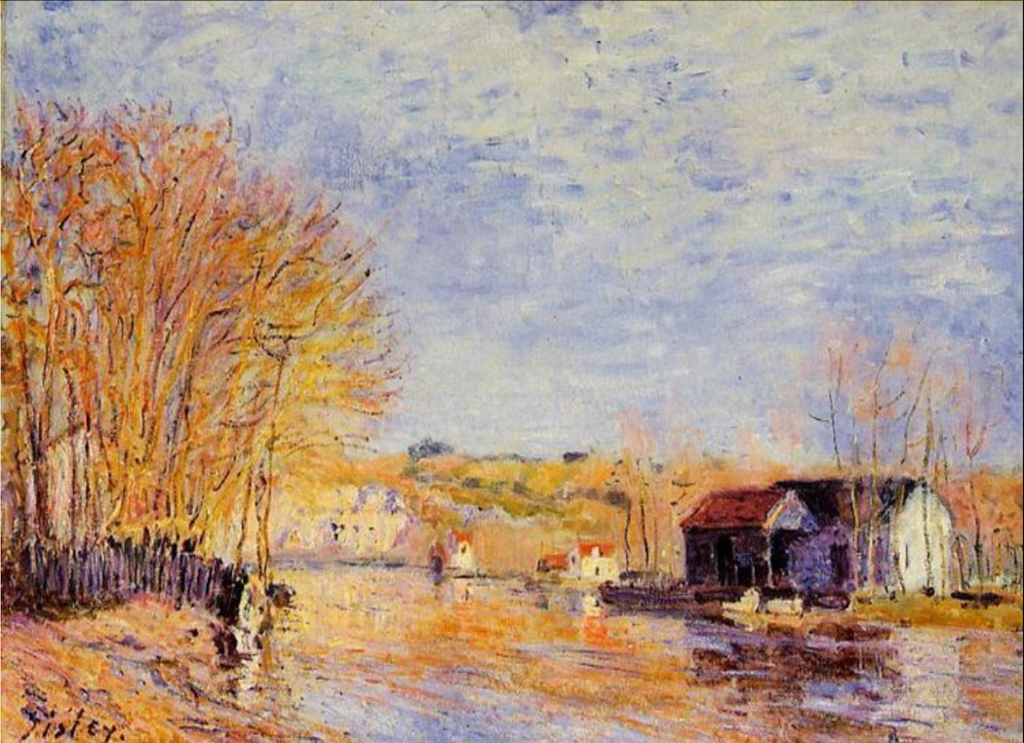
Explore the five Impressionist artworks featured in my research below:
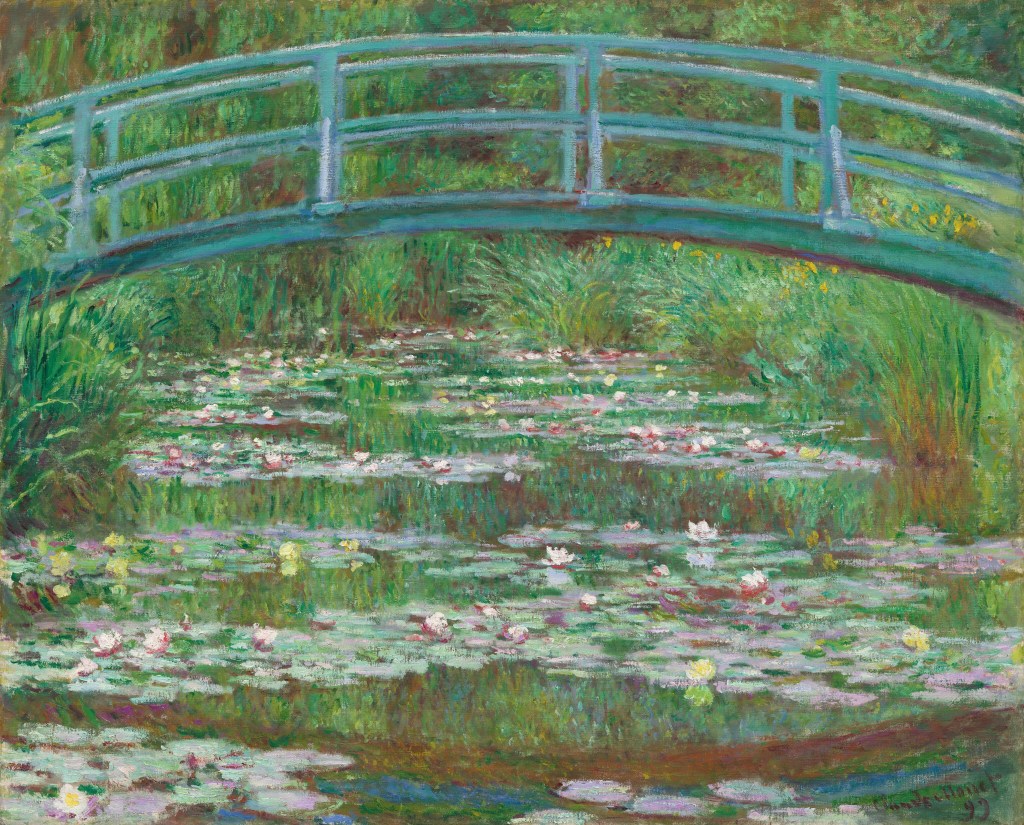
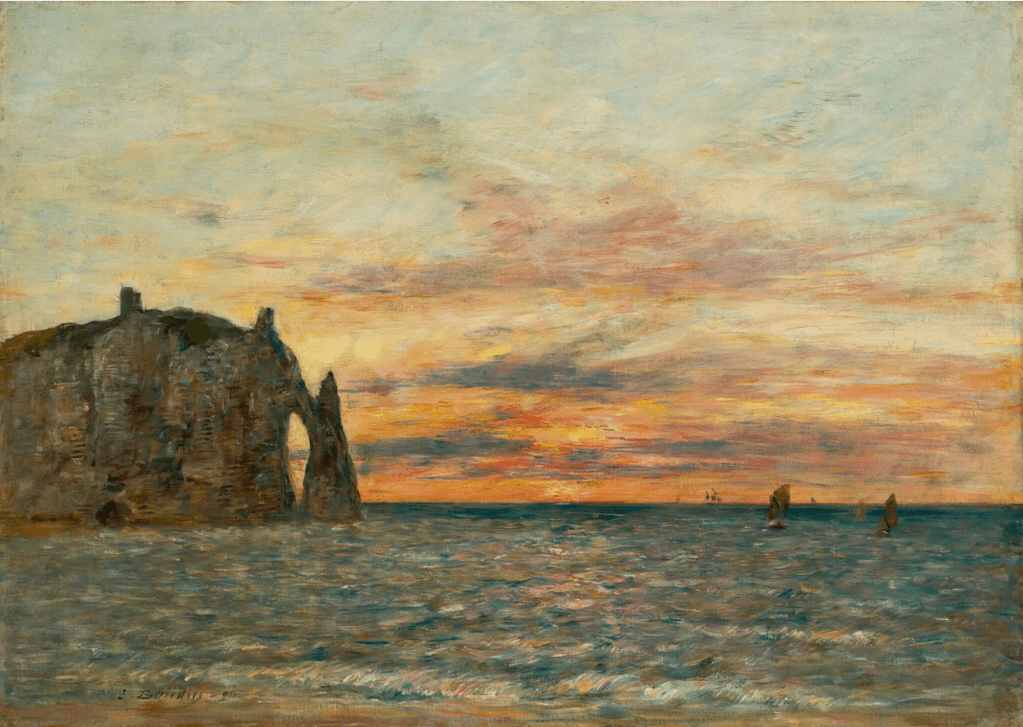
Honorable Mention:
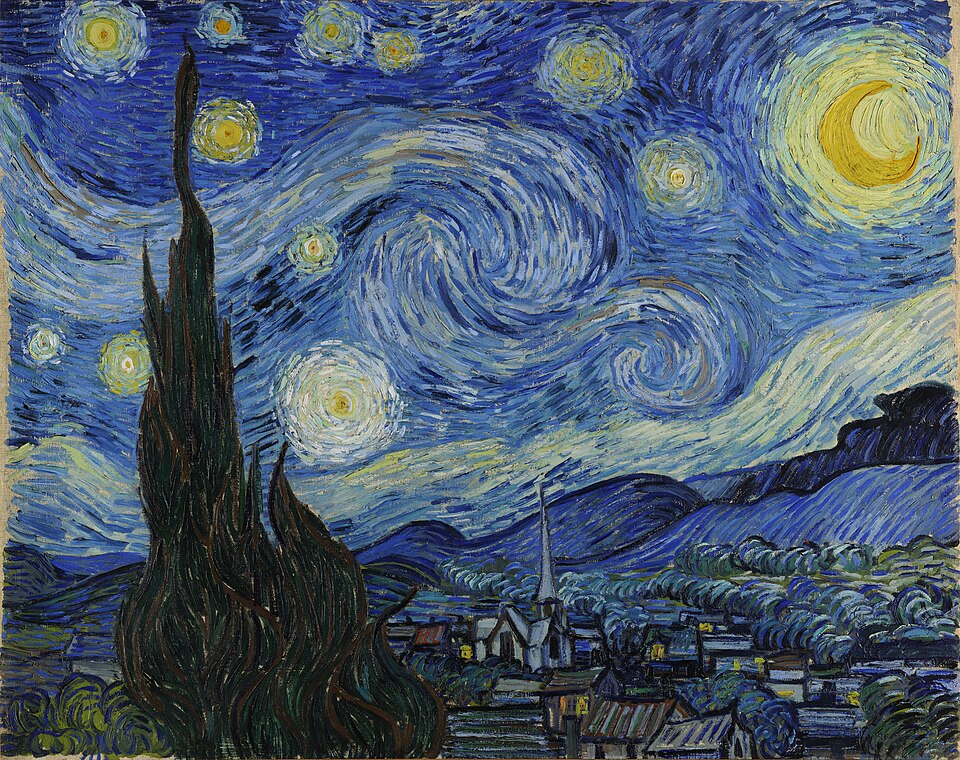
Vincent van Gogh, The Starry Night
I would be remiss if I didn’t include The Starry Night among the paintings featured in this research. Even though this painting wasn’t used during my experiment, my original concept for this study emerged from a visit to the MoMA. I was looking at The Starry Night while listening to Richard Wagner’s “O du, mein holder Abendstern” (Song to the Evening Star), and it changed everything. While I’ve always found The Starry Night to be a masterpiece, I found a true sense of beauty and emotional attachment to the work when I paired it with music. This insight, paired with encouragement to consider the auditory environment of museums, became the driving force behind my exploration into how the sounds we hear can fundamentally shape our perception.
The Sonic Environments
Congruent Audio
Congruent: audio matching the visual presentation.
Here is Clair De Lune by Claude Debussy
Conventional Audio
Conventional: audio that would be heard in the spaces in which these paintings exist
Here is one of many field recordings from my time in the MoMA
Statistics & Results
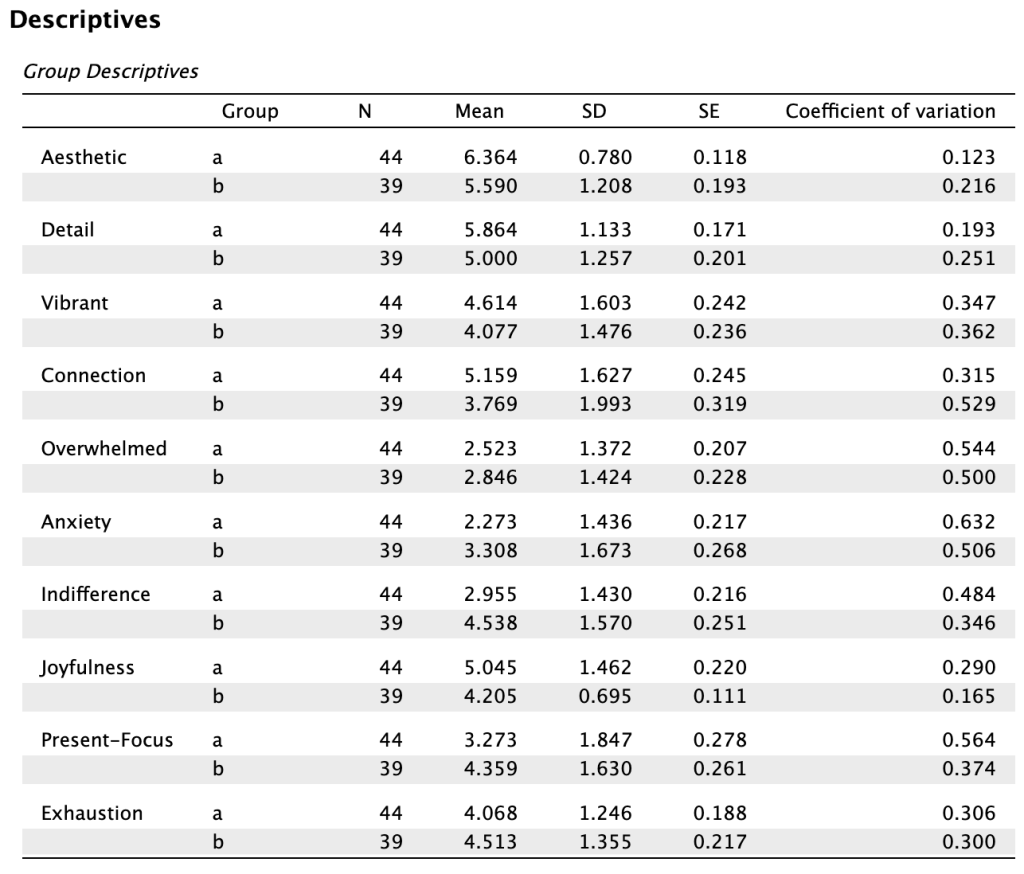
Congruent audio participant results are categorized as Group A, and conventional audio participant results are categorized as Group B. It was predicted that Group A would perceive the artwork as more aesthetic, detailed, vibrant, and report a stronger sense of transportation (or connection) into the piece. Conversely, it was anticipated that the combination of audio and art would cause Group B to find the experience overwhelming. Additionally, Group A was expected to report lower levels of anxiety, indifference, sadness, and exhaustion compared to Group B, as well as a lower degree of present-focus, leaning instead toward feelings of nostalgia.
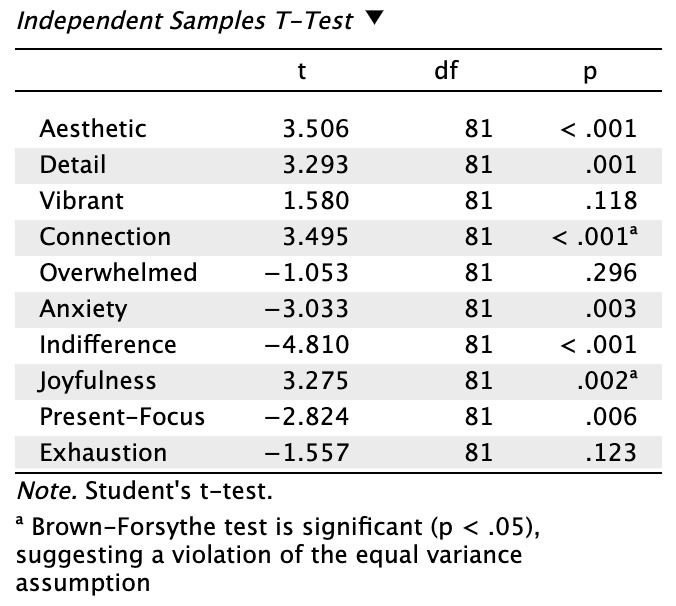
Of the 83 participants in this study, 44 were paired with congruent audio and 39 were paired with conventional audio. The data reveals a clear divide between the two groups. Group A demonstrated significantly higher engagement with positive experiential factors, specifically aesthetic appreciation, perceived detail, connection, and joyfulness (all p<.01). In contrast, Group B reported significantly higher levels of negative or detached states, including anxiety, indifference, and present-focus. While Group B showed slightly higher mean scores for feeling overwhelmed and exhausted, these differences were not statistically significant (p>.05). This suggests that the primary distinction between the groups is rooted in their emotional and aesthetic engagement rather than their level of physical or mental fatigue.
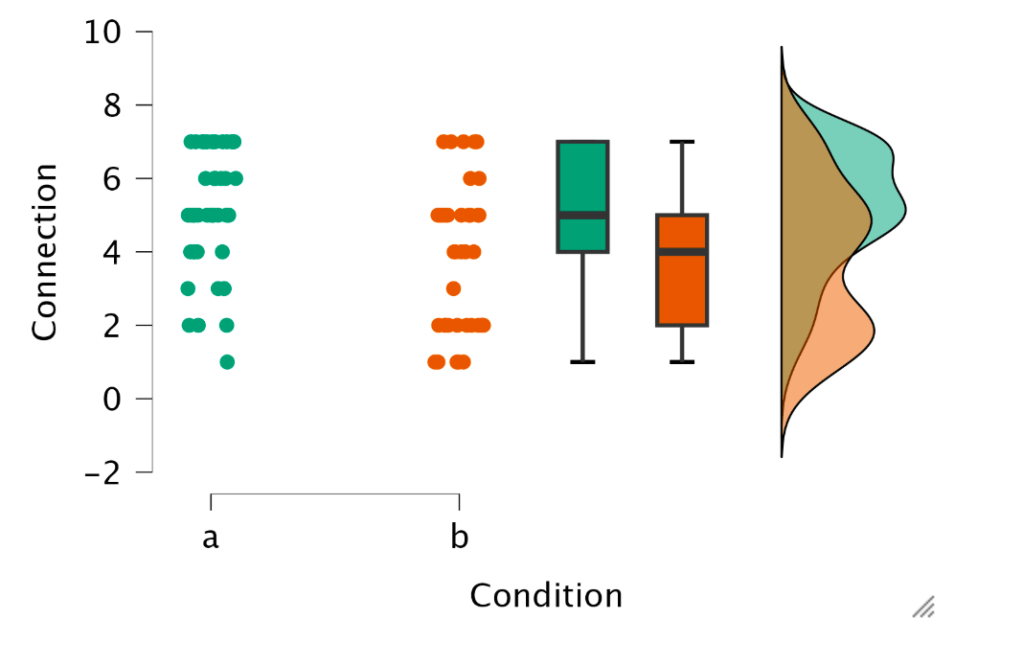
Results from the ANOVA: Connection to Artwork
This raincloud plot illustrates how congruent audio (Group A/green) is significantly more effective at transporting viewers into the artwork than conventional audio (Group B/orange). The data for Group A are tightly clustered toward the top of the scale, indicating a strong and consistent sense of immersion across the board. In contrast, Group B is spread out, showing high variance and inconsistency in the viewers’ experience.
While some individuals in the conventional group felt a connection, there were mixed emotions. And despite the violation of equal variance, the clear separation in these distributions proves that congruent audio was the driving force behind a much deeper, more reliable viewer connection.
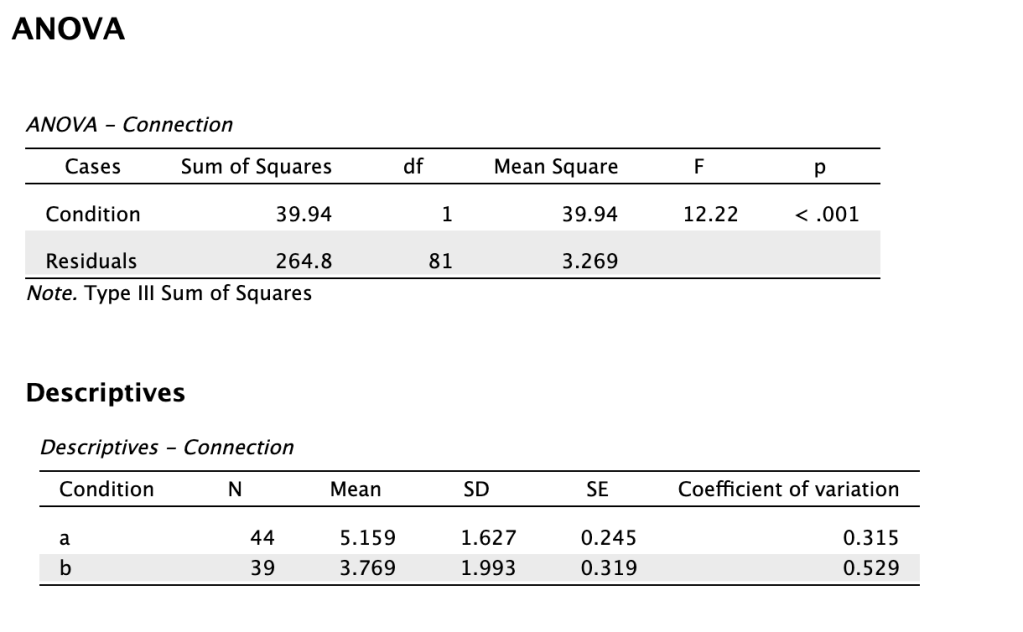
The statistical breakdown further validates these trends. The F-statistic of 12.22 (p<0.001) confirms that the auditory condition itself, rather than random chance, accounts for the majority of the variance in viewer scores, reinforcing the results of the initial t-test. Comparing the coefficients of variance (CV) highlights these disparities: Group B’s high CV of 0.529 reflects the fragmented, unpredictable nature of the conventional audio experience. Conversely, Group A’s lower CV of 0.315 underscores a more unanimous, cohesive sense of presence. Ultimately, these results show that while conventional audio yields hit-or-miss engagement, congruent audio delivers a significantly more profound and predictable level of connection to the artwork.
This project is dedicated to the girl who played “museum”
From days spent piecing together puzzles, to charging my sister twenty-five cents to view these “installations” in the hallway, I have always been in love with the experience of art. This project is the culmination of that lifelong curiosity: an exploration of the invisible, auditory layers that change our visual world. I am still that girl in the hallway, now listening for the ways our sonic environment can deepen our perception of the world we see.

And a very special thank you to…
Dr. Jay Friedenberg and Dr. Suzanne Thorpe, whose guidance made this project possible. This work represents a true blend of my passion for sonic production and academic research. Thank you, Dr. Thorpe, for consistently encouraging creative exploration, and Dr. Friedenberg, for helping me navigate and interpret the nuances of psychological research.
I would also like to thank my fellow Sound Studies seniors for their friendship and support, and Dr. Jeff Horn, whose early encouragement first inspired me to explore museum soundscapes as a subject of research.
 Schmidt Studios